
Boxing has experienced a resurgence in recent years—not just as a sport, but as one of the most effective and engaging ways to train the body. Walk into almost any gym today and you’ll see heavy bags, boxing-inspired classes, or people throwing punches for conditioning.
But not all boxing is the same.
There is a clear and important difference between boxing for fitness and boxing for competition, and misunderstanding that difference can lead to frustration, burnout, or unrealistic expectations.
Some people step into a boxing gym wanting to get lean, improve endurance, and feel more confident—without any intention of stepping into a ring. Others are drawn to the sport itself: competition, sparring, and the discipline required to fight at an amateur or professional level.
Both paths are valid. Both are demanding. But they are not interchangeable.
This article breaks down the differences between boxing for fitness and boxing for competition—so you can choose the path that aligns with your goals, lifestyle, and long-term health.
Understanding the Two Paths of Boxing
At its core, boxing is about movement, timing, coordination, and discipline. Where the paths diverge is purpose.
- Boxing for fitness uses boxing movements as a training tool.
- Boxing for competition uses training as preparation for fighting another trained opponent.
That difference in purpose shapes everything—from how you train, to how often you train, to how you recover.
Before comparing them side by side, let’s define each clearly.
What Is Boxing for Fitness?
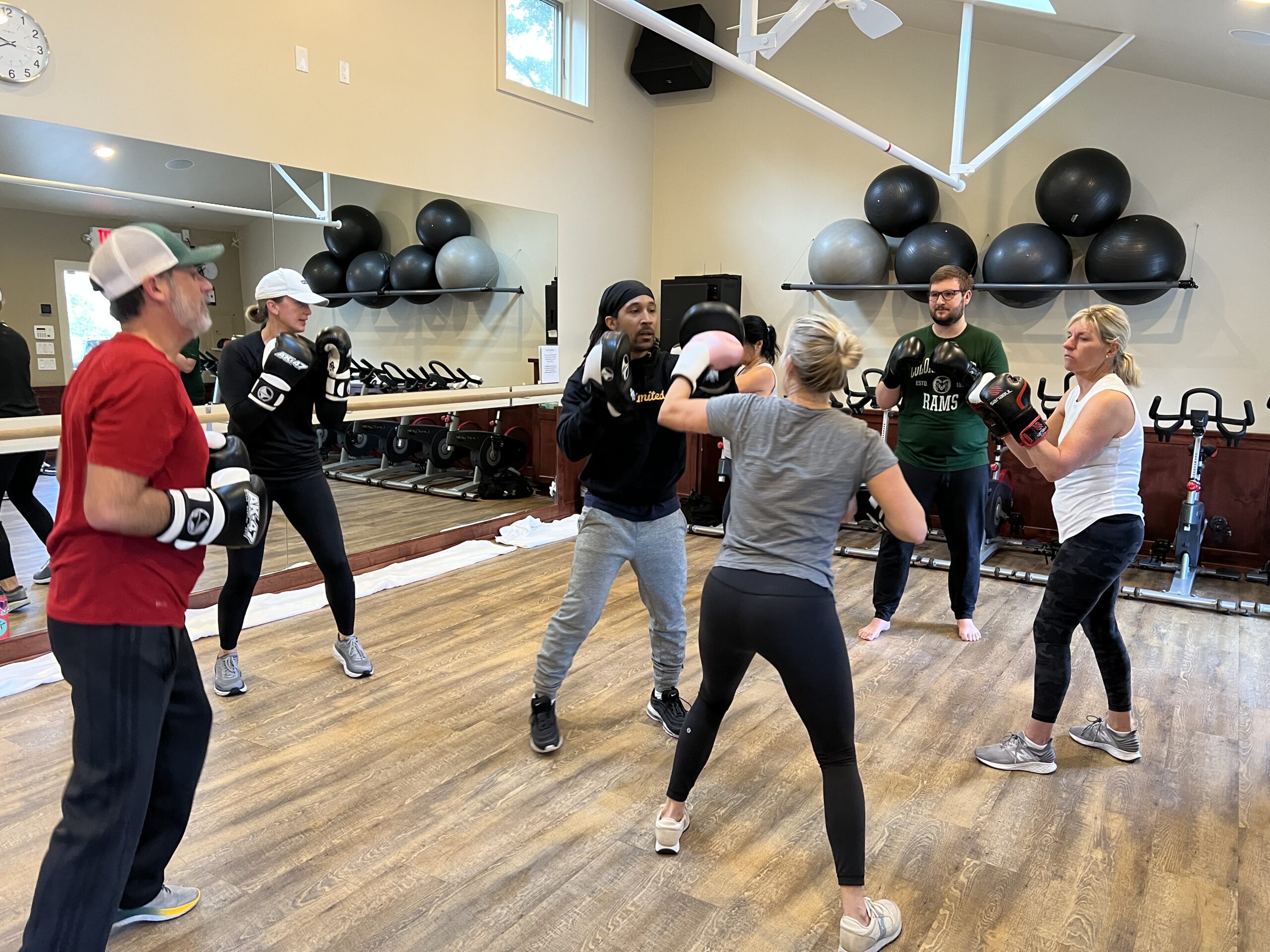
Boxing for fitness focuses on using boxing techniques to improve physical conditioning, body composition, coordination, and mental toughness—without the goal of competition.
This style of boxing emphasizes:
- Heavy bag work
- Shadowboxing
- Mitt work
- Conditioning drills
- Strength and endurance training
- Controlled, non-contact or light technical drills
The goal is not to win a fight. The goal is to build a stronger, healthier, more capable body.
Key Characteristics of Boxing for Fitness
- No sparring required
- Minimal injury risk when coached properly
- Accessible to all experience levels
- Scalable intensity
- Sustainable long-term training option
Many people are drawn to boxing for fitness because it delivers results quickly while keeping training engaging. It combines cardiovascular conditioning, strength, agility, and coordination into a single workout—something few modalities can do as effectively.
Who Boxing for Fitness Is Best For
Boxing for fitness is ideal for:
- Busy professionals
- Parents
- Beginners to boxing
- People focused on weight loss or body recomposition
- Those seeking stress relief and mental clarity
- Individuals who want to train hard without fighting
It allows people to experience the benefits of boxing without the physical and mental demands of competition.
What Is Boxing for Competition?
Boxing for competition is preparation for fighting—plain and simple.
Whether amateur or professional, competitive boxing revolves around:
- Sparring
- Tactical preparation
- Weight management
- Mental conditioning for combat
- Injury management
- Performance under pressure
The objective is not just to be fit—it’s to outperform another trained opponent in a regulated environment.

Key Characteristics of Boxing for Competition
- Regular sparring
- High training volume and intensity
- Strict weight classes
- Higher injury risk
- Performance-driven training
Competitive boxing demands a lifestyle commitment. Training is no longer about general health—it becomes about preparation, recovery, and readiness to perform.
Who Boxing for Competition Is Best For
Competitive boxing is best suited for:
- Individuals with a strong desire to compete
- Athletes willing to accept physical risk
- Those with time to train multiple hours per day
- People who thrive under pressure
- Individuals prepared for the mental demands of fighting
It’s a rewarding path—but not one to enter casually.
Training Structure: Fitness vs Competition
One of the biggest differences between the two styles lies in how training is structured.
Boxing for Fitness Training Structure
Boxing for fitness sessions are typically:
- 45–75 minutes
- High energy but controlled
- Focused on movement quality and conditioning
- Designed to be repeatable week after week
A session may include:
- Warm-up and mobility
- Shadowboxing
- Heavy bag rounds
- Mitt work
- Strength circuits
- Conditioning finisher
The goal is fatigue without breakdown.
Boxing for Competition Training Structure
Competitive boxing sessions often include:
- Multiple daily sessions
- Sparring days vs conditioning days
- Technical drilling with tactical focus
- Strength training tailored to performance
- Recovery work to manage fatigue and injury
Training is often periodized around upcoming fights, with peaks and deloads based on competition schedules.
Looking for boxing training without competition?
Boxing for fitness offers the conditioning, skill development, and mental focus of boxing—without the need to spar or fight. If you’re interested in structured, beginner-friendly boxing workouts built for long-term health, explore our boxing training programs designed for real life.
Intensity and Risk: A Major Difference
Boxing for Fitness
- Intensity is self-regulated
- Contact is limited or eliminated
- Recovery is prioritized
- Injury risk is low when coached correctly
You train hard—but you train smart.
Boxing for Competition
- Intensity is externally imposed
- Contact is unavoidable
- Injuries are part of the sport
- Recovery becomes strategic, not optional
There’s no way around it: getting hit comes with the territory.
This doesn’t make competitive boxing “bad”—but it does mean it’s not the right choice for everyone.
Goals: Health vs Performance
Another key difference lies in outcomes.

Goals of Boxing for Fitness
- Fat loss
- Lean muscle development
- Cardiovascular health
- Coordination and balance
- Stress relief
- Confidence building
- Longevity
The training supports life.
Goals of Boxing for Competition
- Winning bouts
- Improving fight IQ
- Managing weight classes
- Developing ring control
- Tactical execution
The training serves performance.
When performance is the goal, sacrifices are made. When health is the goal, sustainability matters.
Mental Approach and Mindset
Boxing for Fitness Mindset
- Growth over ego
- Consistency over intensity
- Skill development at your own pace
- Training as self-care
Many people find boxing for fitness therapeutic. The rhythmic nature of punching, the focus required, and the physical release create a powerful mental reset.
Boxing for Competition Mindset
- Mental toughness under pressure
- Emotional control in conflict
- Strategic thinking while fatigued
- Comfort with discomfort
Competitive boxing forges resilience—but it also demands emotional maturity and discipline.
Longevity and Sustainability
One of the most overlooked differences between fitness boxing and competitive boxing is how long you can realistically maintain it.
Boxing for Fitness
- Can be trained for decades
- Adaptable to changing life demands
- Supports joint health when programmed correctly
- Complements strength training and recovery
Many people box for fitness well into their 40s, 50s, and beyond.
Boxing for Competition
- Limited competitive window
- High cumulative wear and tear
- Requires intentional exit strategy
Most competitive boxers eventually transition into coaching, fitness boxing, or other athletic pursuits.
Common Misconceptions
“Boxing for Fitness Isn’t Real Boxing”
False.
Boxing for fitness still requires:
- Proper stance
- Footwork
- Punch mechanics
- Timing and coordination
The difference isn’t legitimacy—it’s intent.
“If I Train Boxing for Fitness, I Can Just Jump Into Competition”
Also false.
Competitive boxing requires specific preparation, sparring experience, and mental conditioning that fitness boxing does not provide by default.
Choosing the Right Path for You
Ask yourself:
- Do I want to compete—or do I want to train?
- Am I willing to accept injury risk?
- Do I have time to recover properly?
- Do I want boxing to support my life—or dominate it?
Neither answer is wrong—but clarity matters.
How Boxing for Fitness Fits Into Modern Training
At Lee’s Fitness Unlimited, boxing for fitness is used as a foundation—not just for punching, but for:
- Conditioning
- Coordination
- Mental discipline
- Confidence
- Athletic movement
Boxing teaches awareness of space, rhythm, and effort. When paired with proper strength training and recovery, it becomes one of the most complete training systems available.
You don’t need to fight to benefit from boxing.
You just need to train with purpose.
Final Thoughts
When comparing boxing for fitness vs boxing for competition, the difference comes down to purpose. Boxing for fitness is about building strength, conditioning, confidence, and longevity. Competitive boxing is about performance under pressure and preparing to fight.
Both demand discipline—but only one needs to fit your lifestyle. Choose the path that supports your health, your goals, and your long-term consistency. Because the best boxing training isn’t about how hard you fight—it’s about how well you train.