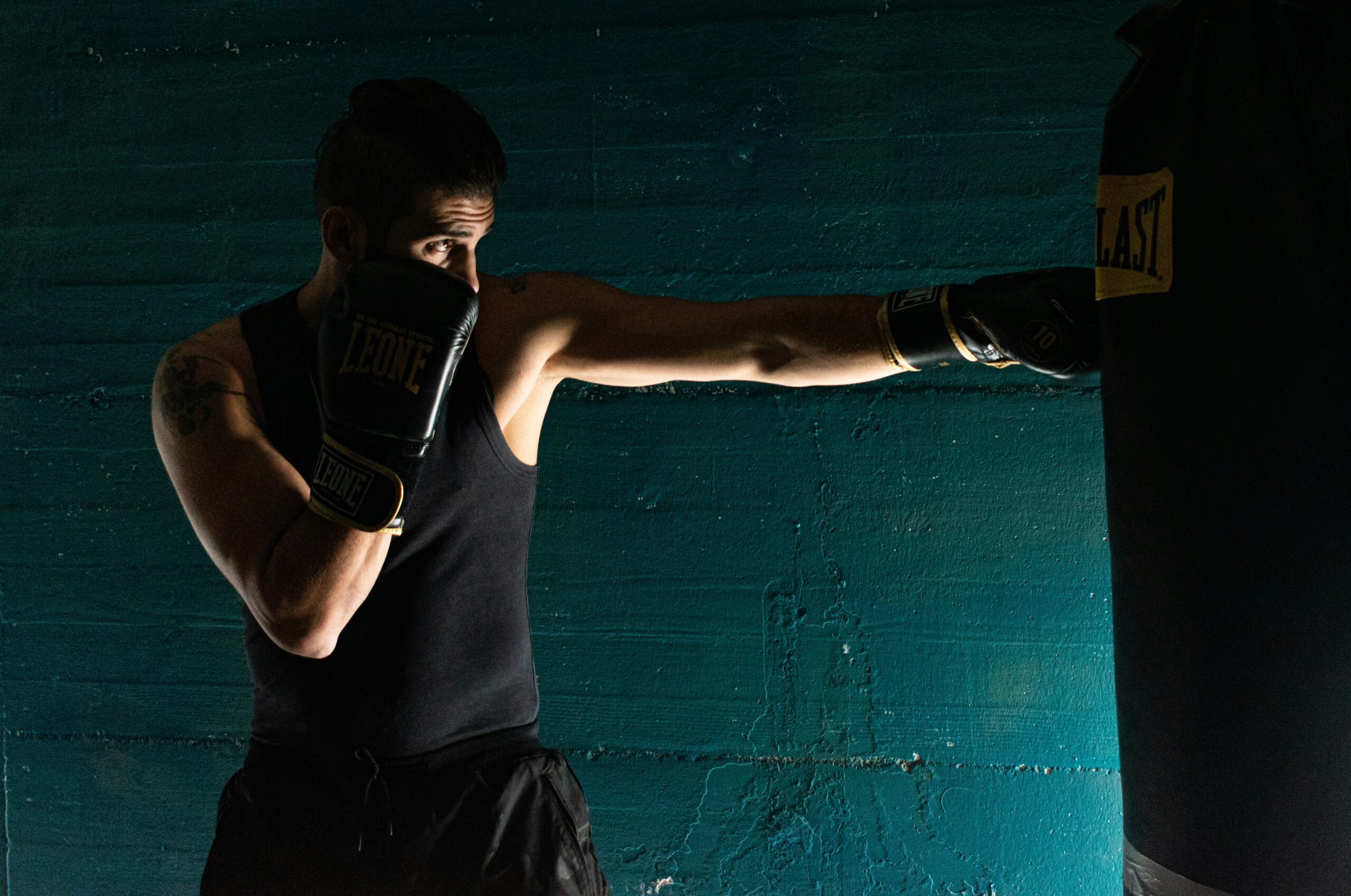

In a world that moves fast and demands results now, parenting can feel like a constant balancing act. We want our kids to be confident—but not entitled. Disciplined—but not afraid. Strong—but not hardened.
As a coach, educator, and father, I’ve spent years working with kids at every stage of development. I’ve seen what helps children grow into capable young people—and I’ve also seen what quietly holds them back.
One thing has become clear:
Strength isn’t something kids are born with. It’s something they’re raised into.
Strength Is More Than Physical
When people hear the word strong, they often think of physical ability—speed, power, athletic skill. While physical development is important, it’s only one piece of the puzzle.
True strength shows up in:
- Confidence under pressure
- Emotional control
- Discipline without fear
- Resilience after setbacks
- The ability to listen, learn, and adapt
These traits don’t come from trophies or rankings. They’re built through consistent guidance, clear expectations, and environments that prioritize growth over shortcuts.
The Problem With “Results-First” Parenting
Modern parenting—especially in sports and activities—often emphasizes early results:
- Early specialization
- Constant competition
- Adult expectations placed on children
- Pressure to perform instead of permission to grow
While this approach may produce short-term wins, it often comes at a cost:
- Burnout
- Anxiety
- Fear of failure
- Loss of joy
- Fragile confidence
Kids don’t need more pressure.
They need better direction.
A Long-Term Lens Changes Everything
When parents take a long-term approach, decisions start to look different.
Instead of asking:
- “Is my child winning right now?”
The better questions become:
- “Is my child learning how to learn?”
- “Are they becoming confident in their own ability?”
- “Are they developing discipline that comes from within?”
- “Are they enjoying the process of improving?”
Strength built slowly lasts longer.
Why Foundations Matter So Much
In my experience, the early years are less about performance and more about preparation.
Strong foundations include:
- Basic movement skills
- Balance and coordination
- Body awareness
- Listening skills
- Respect for structure
- Exposure to challenge without overwhelm
When these foundations are in place, kids are better prepared for:
- Sports
- Academics
- Social situations
- Life challenges
When they’re missing, everything downstream becomes harder.
The Role of the Parent: Guide, Not Driver
One of the most important shifts parents can make is moving from driver to guide.
A guide:
- Sets clear expectations
- Provides structure
- Models discipline and consistency
- Allows children to struggle safely
- Teaches responsibility without shame
This approach builds trust.
And trust builds confidence.
Strength Starts at Home
Kids learn far more from what we do than what we say.
They notice:
- How we handle stress
- How we respond to failure
- How we talk about effort
- How we treat others
- How we take care of our own health
Raising strong kids means modeling the behaviors we want to see—not demanding them.
Why I Wrote Raising Strong

I wrote Raising Strong for parents who want more than quick fixes and surface-level advice.
This book is for:
- Parents who care about long-term development
- Families navigating sports, school, and discipline
- Those who want to raise confident, capable kids without burning them out
- Parents who believe strength should build character, not pressure
Inside the book, I break down:
- Movement and physical foundations
- Developmental stages
- Discipline and structure
- Confidence-building strategies
- How to support kids without controlling them
It’s not about perfection.
It’s about intentional parenting.
A Final Thought
Strong kids aren’t created through force.
They’re built through consistency, patience, and guidance.
When we focus on the long game, we give our children something far more valuable than results—we give them tools they’ll carry for life.
If this philosophy resonates with you, Raising Strong is available now on my website.
👉 Raising Strong: A Parent’s Guide to Nurturing Athletic Kids
Available now